> 100 km altitude
clouds
A love letter to the sky
↓ Scroll down to descend
> 100 km
SpatiumThe void
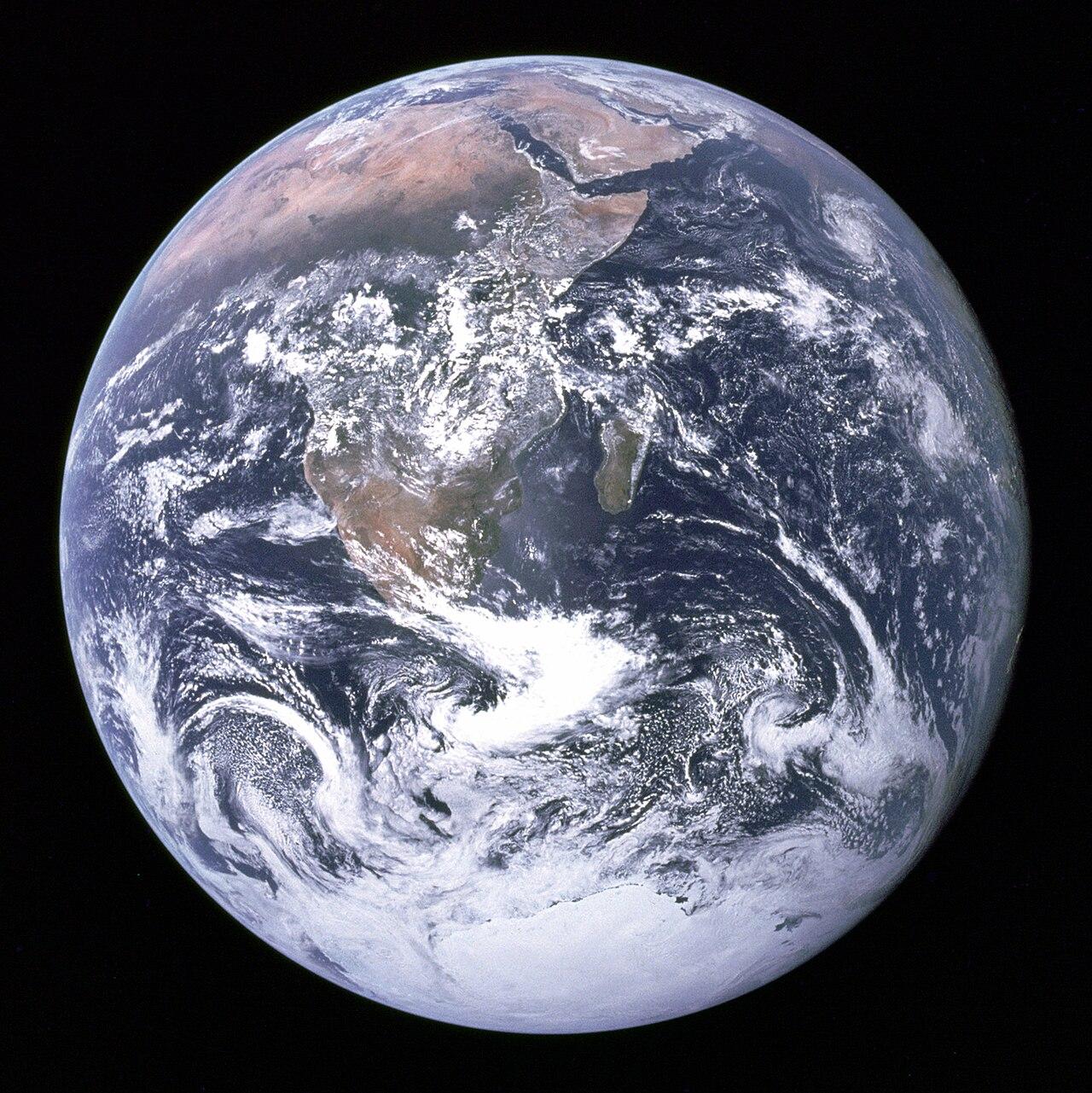
Above 100 km is the Kármán line, the boundary of outer space. There are no more clouds up here, just the vast dark of the cosmos. The Earth looks impossibly blue from here, wrapped in its thin veil of atmosphere.
NASA/Apollo 17 · Public Domain
> 100 km
SpatiumThe void
Above 100 km is the Kármán line, the boundary of outer space. There are no more clouds up here, just the vast dark of the cosmos. The Earth looks impossibly blue from here, wrapped in its thin veil of atmosphere.
76 – 85 km
Noctilucent / NLCNoctilucent clouds
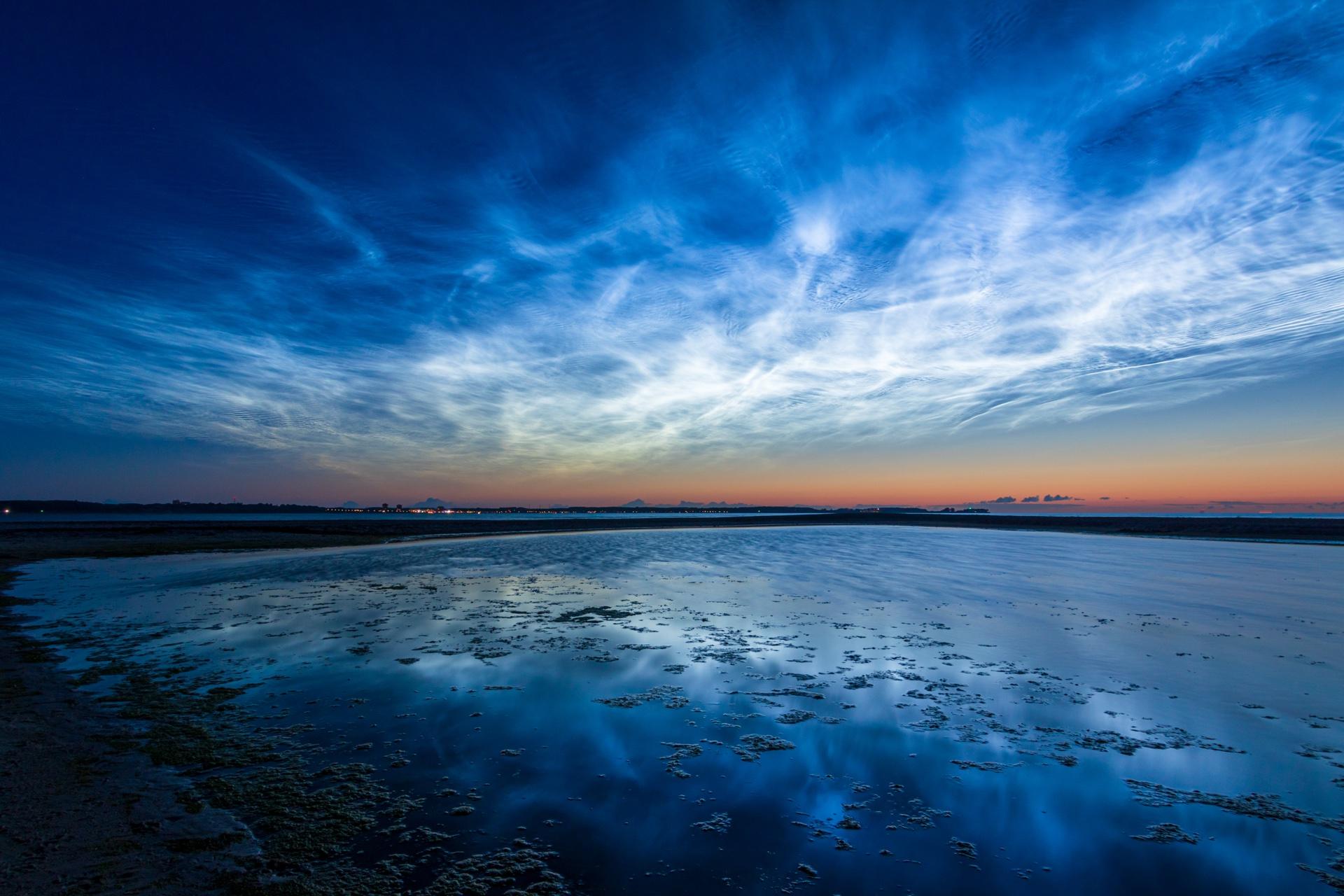
Noctilucent clouds glow electric blue-silver after sunset because they're so high up that sunlight still reaches them in the dark. They form near the poles in summer from water vapour freezing around cosmic dust.
Matthias Süßen · CC BY-SA 4.0
76 – 85 km
Noctilucent / NLCNoctilucent clouds
Noctilucent clouds glow electric blue-silver after sunset because they're so high up that sunlight still reaches them in the dark. They form near the poles in summer from water vapour freezing around cosmic dust.
6 – 12 km
CirrostratusCirrostratus
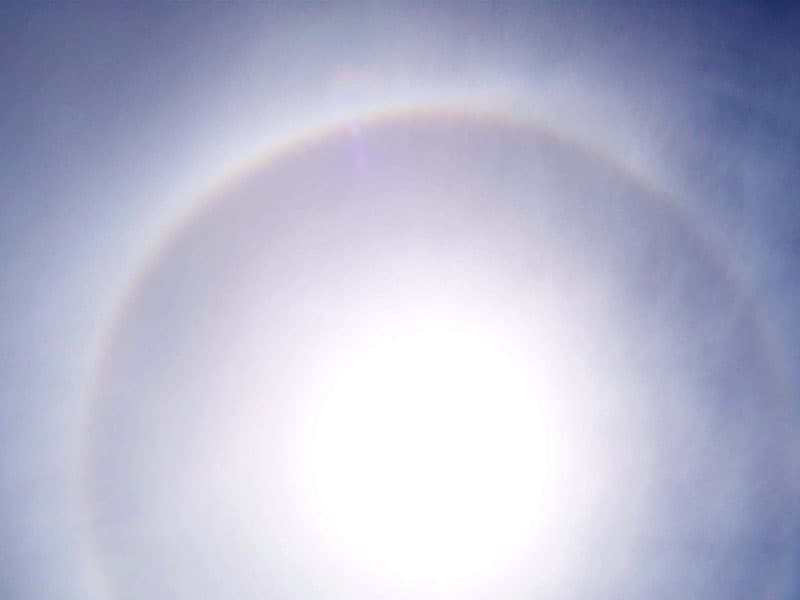
Cirrostratus clouds are translucent sheets of ice crystals so thin you can barely see them, but they create beautiful halos around the sun or moon. If you've ever seen a ring of light around the moon at night, that was thanks to the cirrostratus' refraction and reflection of ice crystals.
Fir0002 · CC BY-SA 3.0
6 – 12 km
CirrostratusCirrostratus
Cirrostratus clouds are translucent sheets of ice crystals so thin you can barely see them, but they create beautiful halos around the sun or moon. If you've ever seen a ring of light around the moon at night, that was thanks to the cirrostratus' refraction and reflection of ice crystals.
6 – 12 km
CirrusCirrus
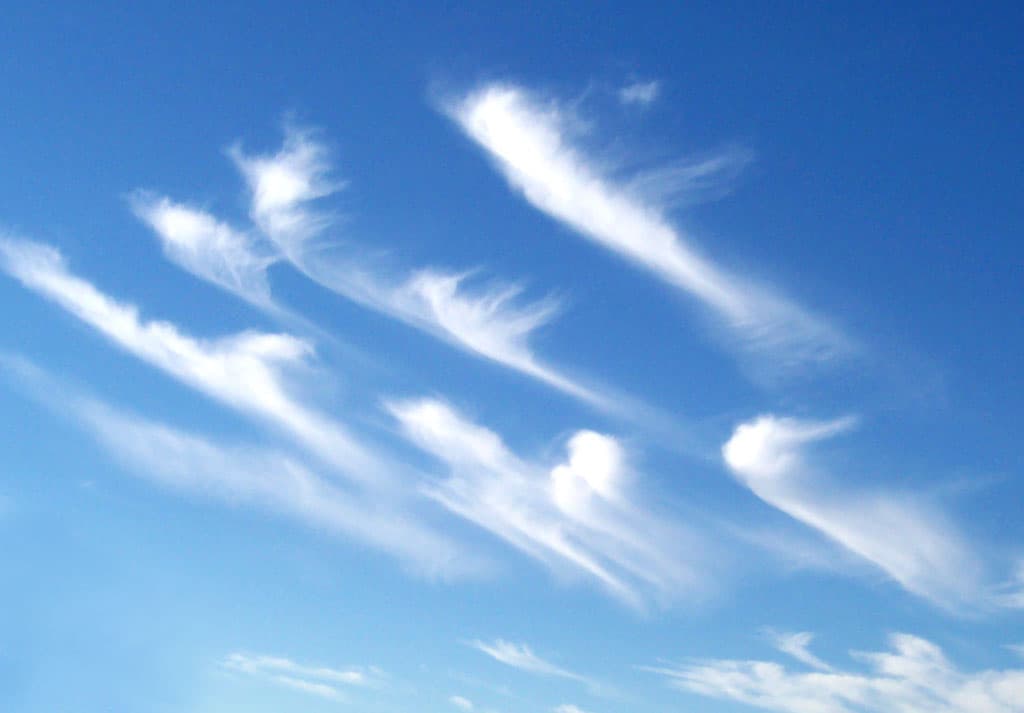
Cirrus clouds are made entirely of ice crystals, which is why they look like wispy brushstrokes. Temperatures here drop to -40°C.
Fir0002 · CC BY-SA 3.0
6 – 12 km
CirrusCirrus
Cirrus clouds are made entirely of ice crystals, which is why they look like wispy brushstrokes. Temperatures here drop to -40°C.
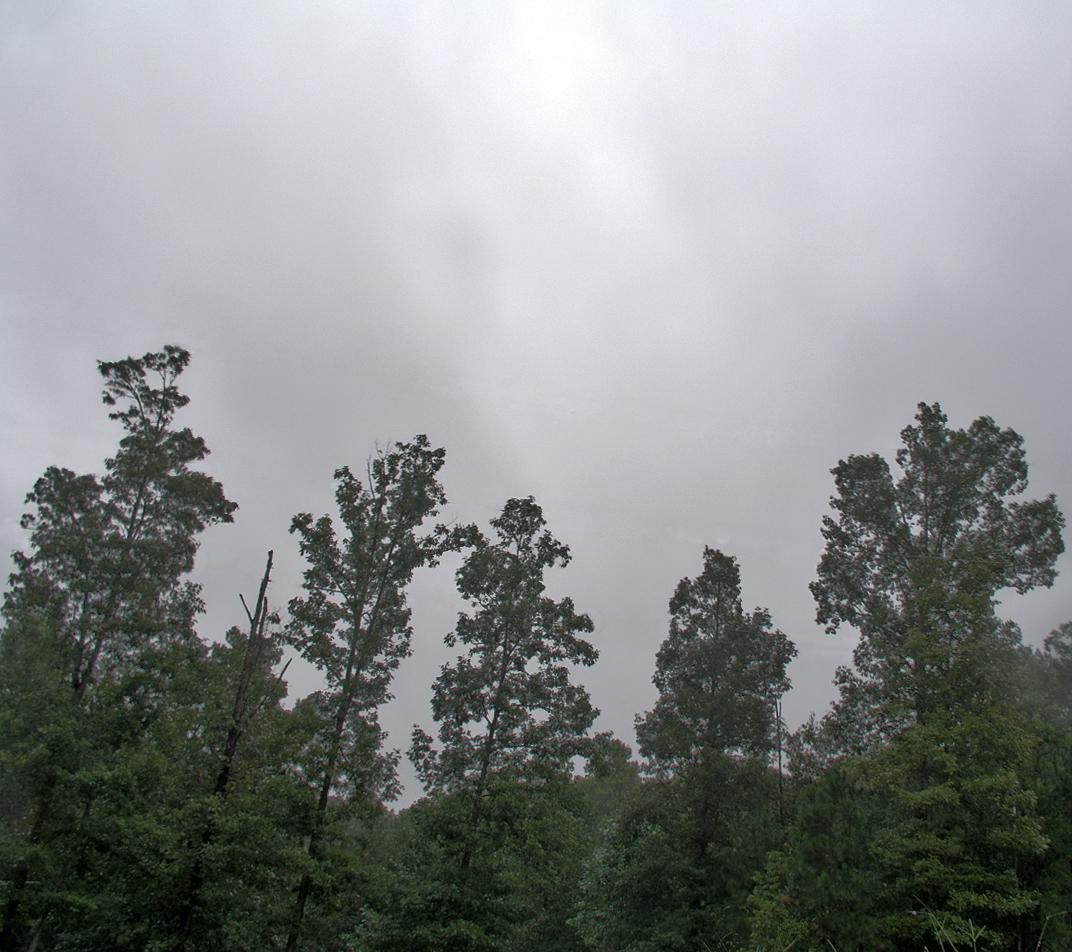
2 – 7 km
AltostratusAltostratus
Altostratus is a grey-blue veil stretched across the sky, thin enough to show the sun as a blurry disc. They often bring steady rain or snow within 12 to 24 hours.
PiccoloNameki · CC BY-SA 3.0
2 – 7 km
AltostratusAltostratus
Altostratus is a grey-blue veil stretched across the sky, thin enough to show the sun as a blurry disc. They often bring steady rain or snow within 12 to 24 hours.
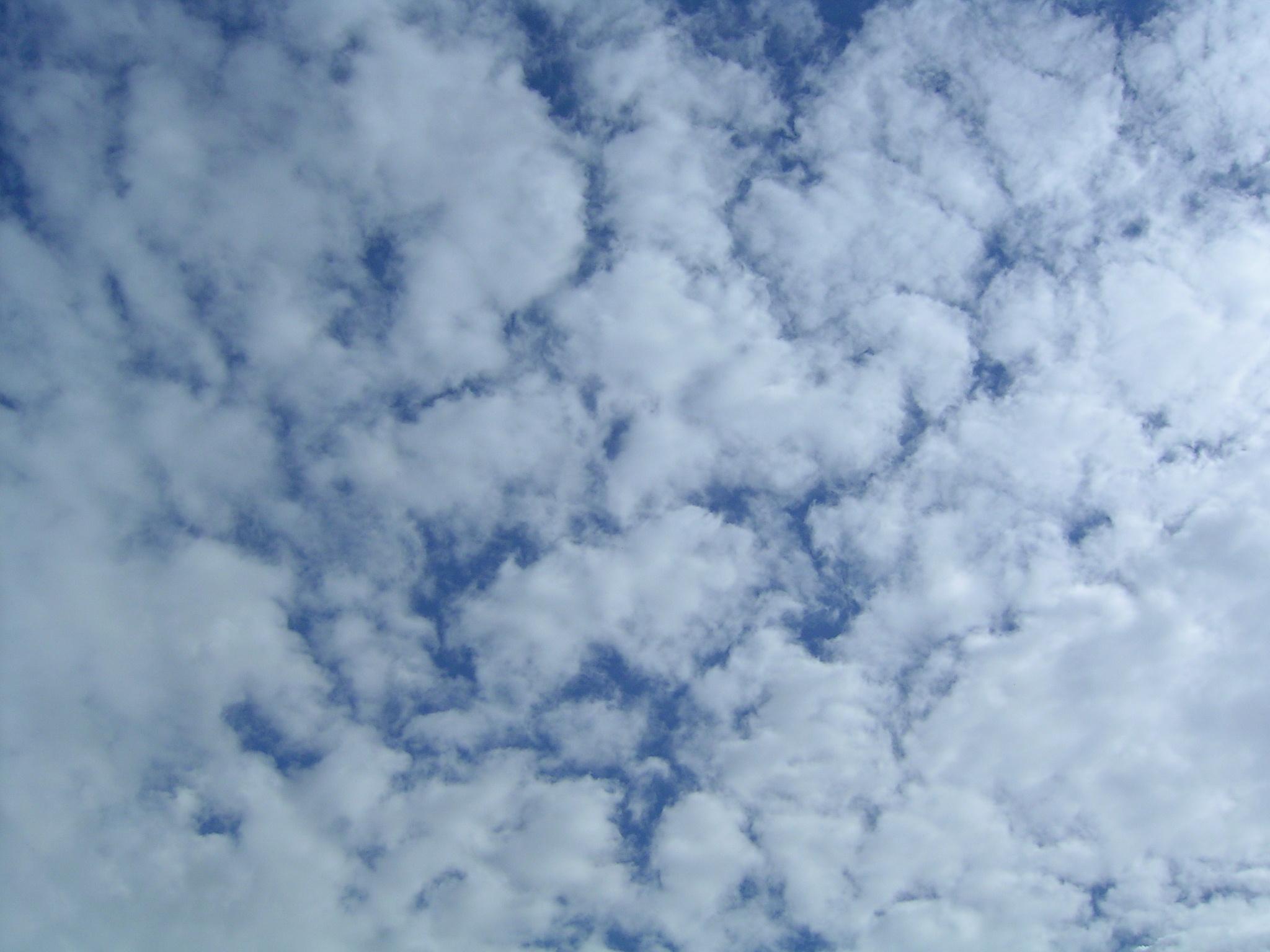
2 – 7 km
AltocumulusAltocumulus
Altocumulus are the mid-level clouds that look like a sky full of cotton balls or fish scales—this pattern is called a 'mackerel sky'. They often appear before a warm front.
LivingShadow · CC BY-SA 3.0
2 – 7 km
AltocumulusAltocumulus
Altocumulus are the mid-level clouds that look like a sky full of cotton balls or fish scales—this pattern is called a 'mackerel sky'. They often appear before a warm front.
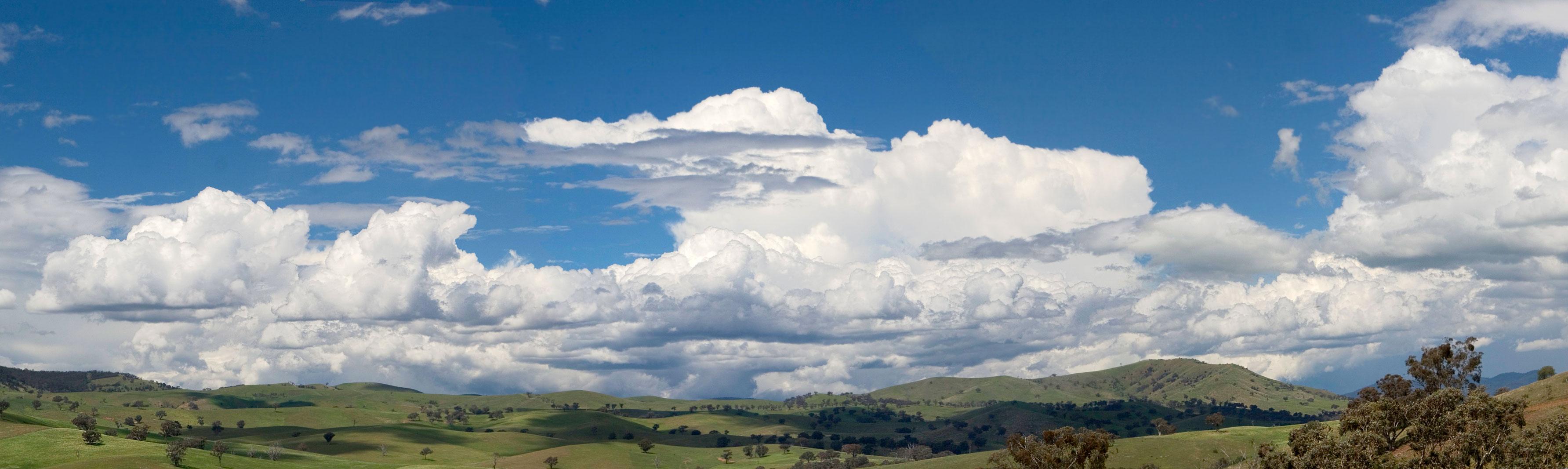
500 m – 2 km
CumulusCumulus
Cumulus clouds are the archetypal cloud! They form when warm air rises and cools, puffing up into those beautiful cauliflower towers. A sunny day with fair-weather cumulus is basically peak meteorological contentment. These clouds rarely rain, but they can produce light showers if they grow vertically in size.
Fir0002 · CC BY-NC 3.0
500 m – 2 km
CumulusCumulus
Cumulus clouds are the archetypal cloud! They form when warm air rises and cools, puffing up into those beautiful cauliflower towers. A sunny day with fair-weather cumulus is basically peak meteorological contentment. These clouds rarely rain, but they can produce light showers if they grow vertically in size.
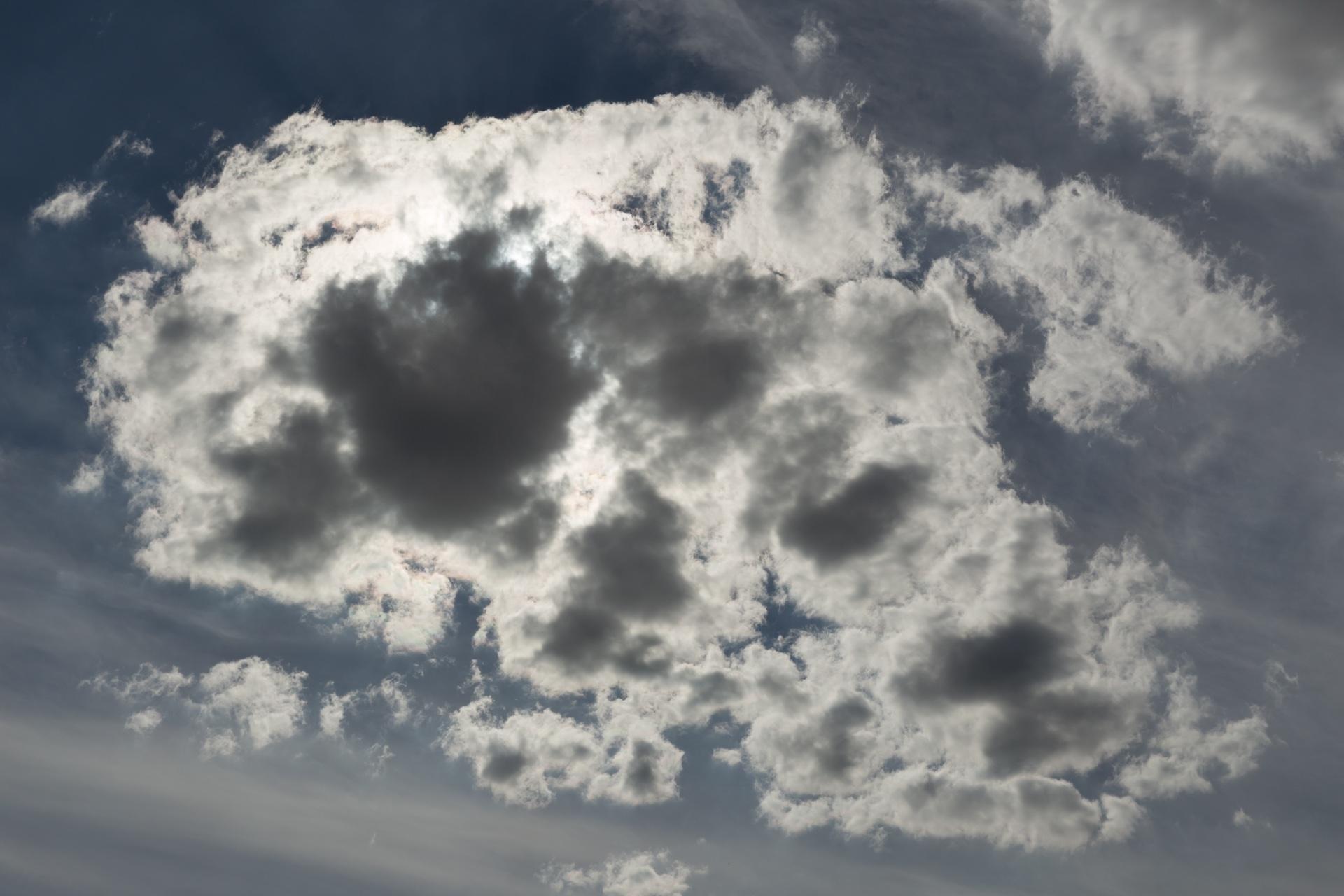
500 m – 2 km
StratocumulusStratocumulus
Stratocumulus clouds are the most common cloud on the planet. They cover about 23% of the Earth's surface at any given moment. They're lumpy, patchy, and often look like someone dragged a comb through a grey sky.
William Crochot · CC BY-SA 4.0
500 m – 2 km
StratocumulusStratocumulus
Stratocumulus clouds are the most common cloud on the planet. They cover about 23% of the Earth's surface at any given moment. They're lumpy, patchy, and often look like someone dragged a comb through a grey sky.
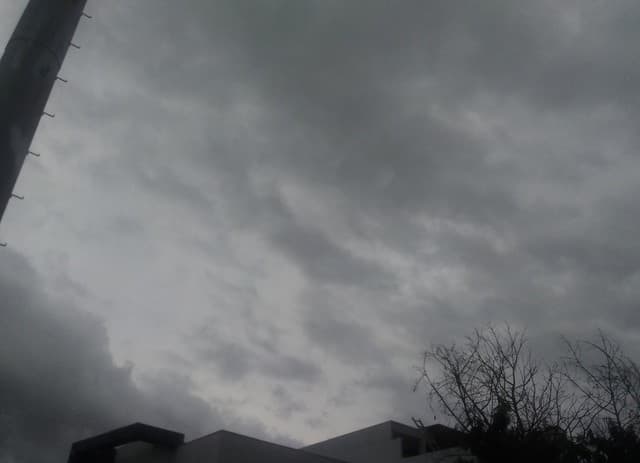
100 m – 2 km
StratusStratus
Stratus clouds are low-level clouds that blanket the sky. They cover the whole sky in a flat, uniform sheet and rarely produce more than a light drizzle of rain.
Couch-scratching-cats · CC BY 2.5
100 m – 2 km
StratusStratus
Stratus clouds are low-level clouds that blanket the sky. They cover the whole sky in a flat, uniform sheet and rarely produce more than a light drizzle of rain.
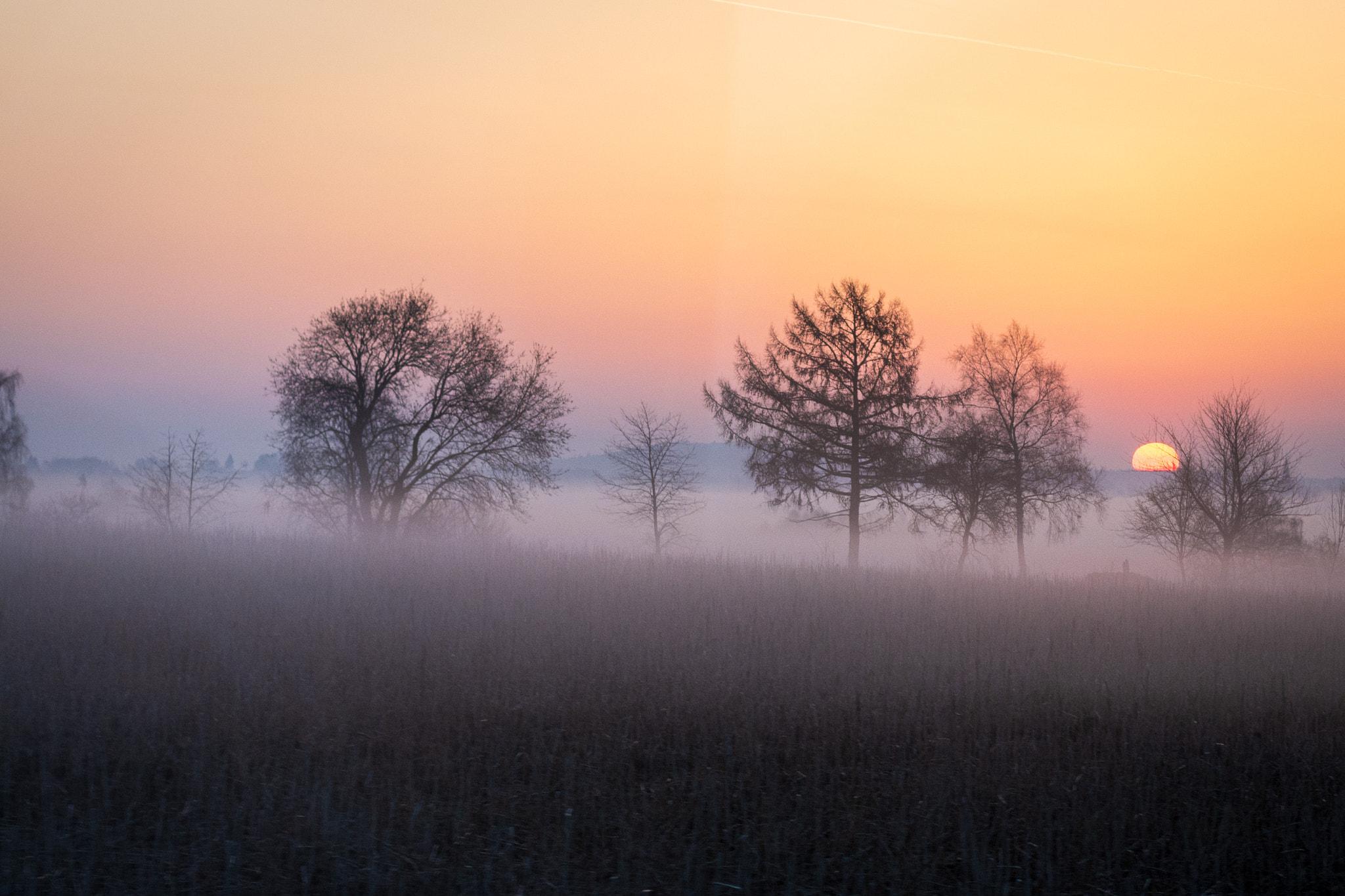
0 – 100 m
NebulaFog
Fog is essentially a low-lying cloud that touches the ground or gets close to it. In aviation, fog is defined specifically as a cloud whose base within 15m (50ft) of the ground. Fog forms when air cools to its dew point, suspending tiny little water droplets in the air. If visibility is less than 1km, it's considered fog; if visibility is greater than 1km, it's mist.
Bernhard Hanakam · CC BY-SA 3.0
0 – 100 m
NebulaFog
Fog is essentially a low-lying cloud that touches the ground or gets close to it. In aviation, fog is defined specifically as a cloud whose base within 15m (50ft) of the ground. Fog forms when air cools to its dew point, suspending tiny little water droplets in the air. If visibility is less than 1km, it's considered fog; if visibility is greater than 1km, it's mist.